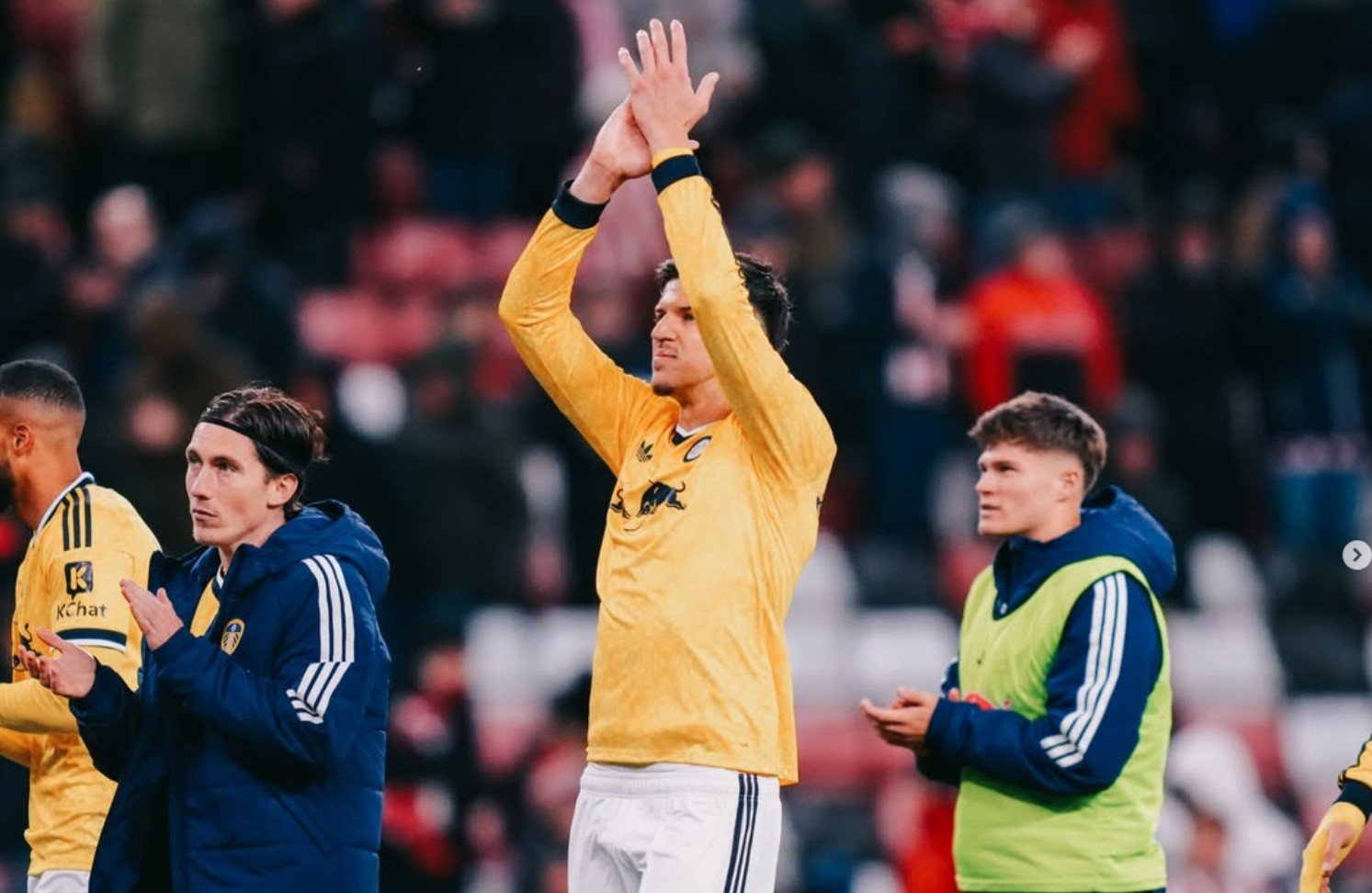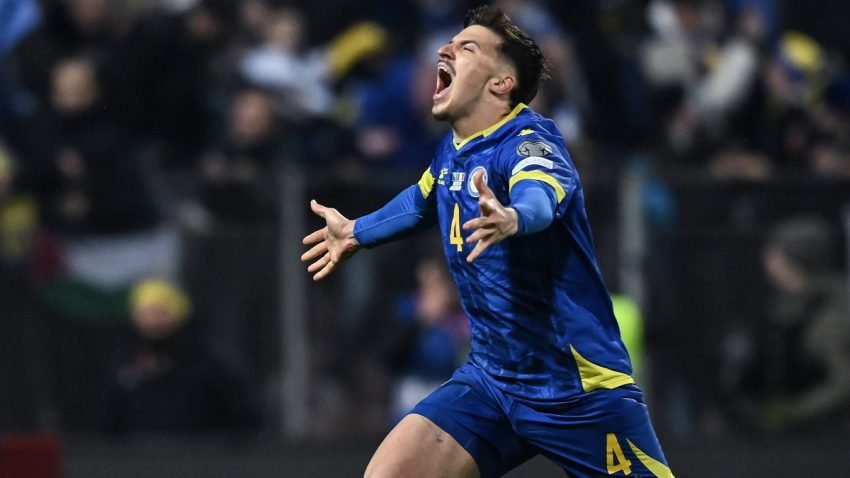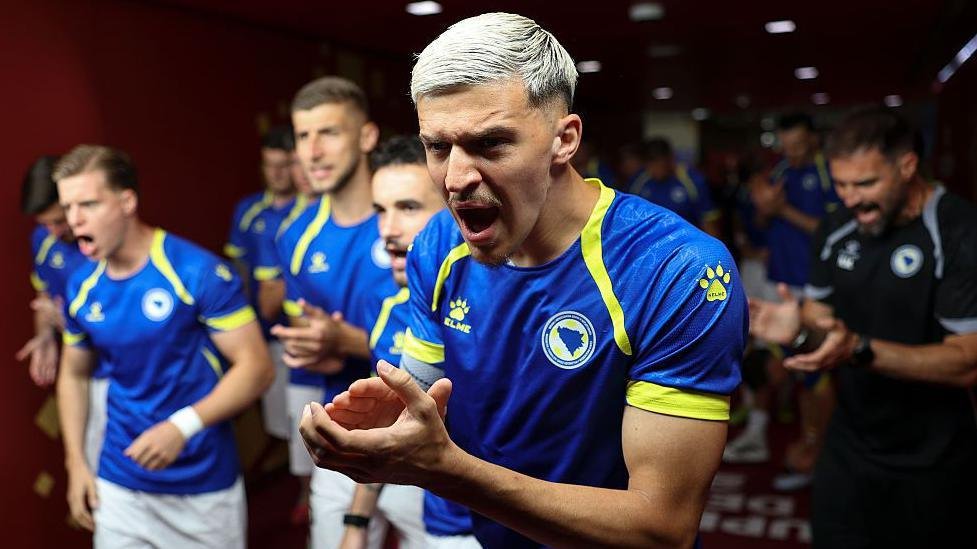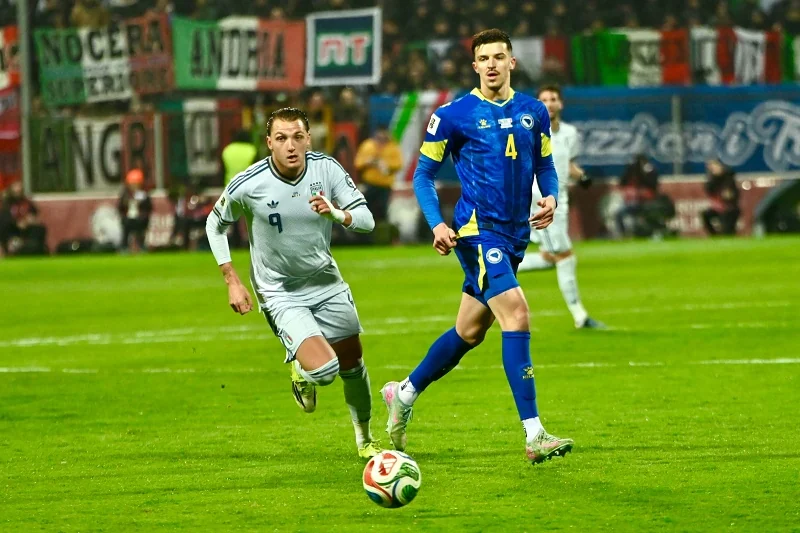

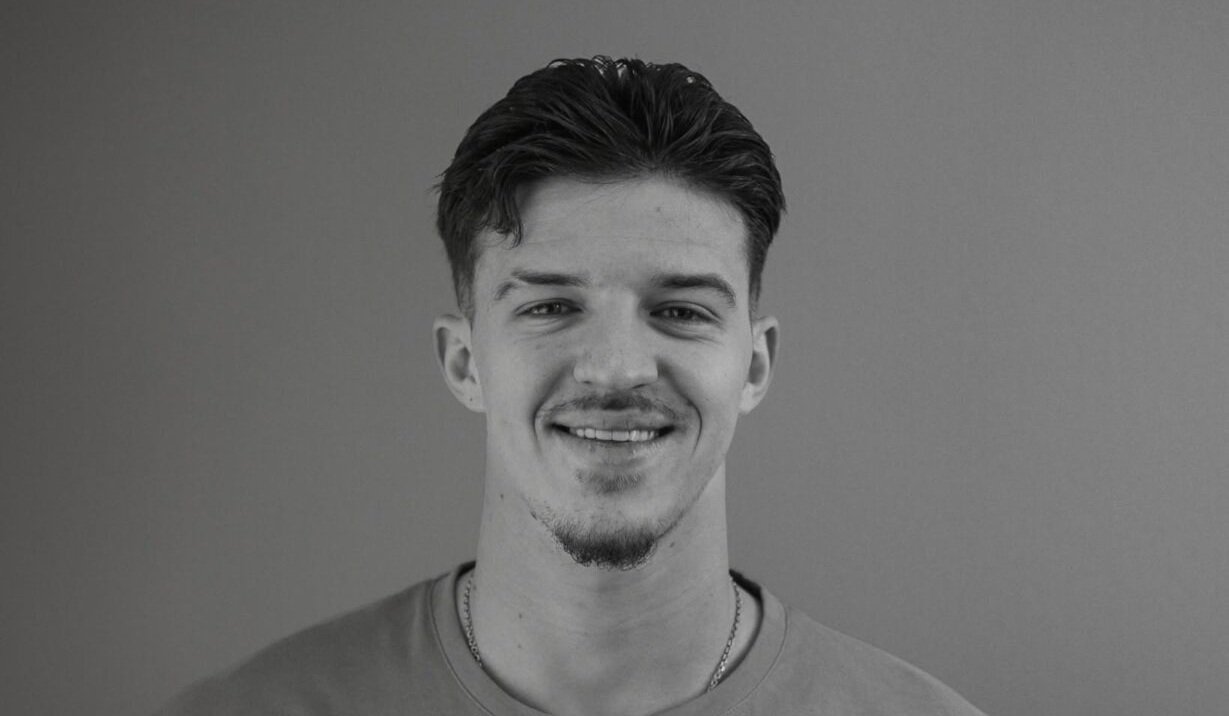
Tarik Muharemovic has recently attracted attention for his performances with Bosnia and Herzegovina, but his latest public message is not about a result, a defensive display or the captain’s armband. The Leeds United defender has lent his support to a UNICEF campaign in Bosnia and Herzegovina highlighting children’s rights and the importance of standing alongside young people when they need it most.
A post shared on 18 November featured Muharemovic alongside a question about children whose rights risk being overlooked: who will stand with them when the world forgets? His response was strikingly brief: “I WILL.” Those two words, originally delivered in Bosnian as “JA ĆU,” put the attention on children rather than on the footballer taking part.
A message beyond football
Muharemovic is more accustomed to headlines about matches, performances and the next challenge in his career. For supporters, his name is closely associated with the Bosnia and Herzegovina national team and his football journey in England. This time, however, he used his public visibility to draw attention to an issue that reaches far beyond any stadium.
The involvement of a player admired by younger fans can be especially valuable. Children often look up to footballers not only for what they achieve on the pitch but also for the example they set away from it. When a recognizable sporting figure speaks up for children’s rights, a subject that might otherwise struggle for attention can reach an entirely different audience.
It would be wrong to suggest that a single message can solve the challenges facing children. Its purpose is more fundamental: to remind the public that protecting children is a shared responsibility, involving families, communities, institutions and organizations working on their behalf.
Leeds United included in the social media post
Muharemovic’s club, Leeds United, was also tagged in the campaign-related social media post. That connection gives the message the possibility of reaching football supporters beyond Bosnia and Herzegovina, particularly an audience familiar with the defender through English football.
Being tagged in a post should not, however, be confused with an official partnership. There is no basis for claiming that Leeds United formally joined UNICEF’s campaign solely because its account was mentioned. What is clear is that Muharemovic publicly supported the initiative and helped bring greater visibility to its message.
What children’s rights mean in everyday life
Children’s rights are not an abstract slogan. They include the right to protection from violence and discrimination, access to education and healthcare, a safe environment in which to grow up, and the opportunity for children to express their views on matters affecting their lives.
Those principles matter especially for young people facing poverty, exclusion or difficult family circumstances. Ensuring that children have a fair opportunity to develop requires more than expressions of concern. It calls for sustained support, informed public discussion and policies that place children’s needs at the centre of decisions.
UNICEF’s work in Bosnia and Herzegovina and around the world aims to advance these protections and encourage communities to take them seriously. Public figures can support that mission by introducing the topic to people who might not normally follow the work of child-rights organizations.
Support does not have to begin with a famous name or a large gesture. It can involve learning about children’s rights, helping local initiatives, responding responsibly when a child is at risk, or supporting verified programmes through UNICEF’s official channels.
An important moment ahead of World Children’s Day
The message arrives just before World Children’s Day on 20 November, UNICEF’s annual global day of action for and by children. The date also marks the adoption of the UN Convention on the Rights of the Child in 1989, a landmark agreement setting out protections and freedoms owed to every child.
The 2026 global campaign places particular emphasis on listening to children and taking their views seriously when shaping the future. In that light, Muharemovic’s message can be understood as a call not only to speak for children, but also to ensure that their voices are heard.
Leadership can take different forms
The year has brought important moments for Muharemovic on the football field, including the opportunity to wear Bosnia and Herzegovina’s captain’s armband. But leadership is not limited to the ninety minutes of a match. The choices a player makes with the attention and influence that come with professional sport can also make a difference.
On this occasion, the defender chose to highlight the safety, dignity and opportunities that children deserve. There were no elaborate promises or announcements of a new foundation or formal ambassadorial role. Instead, the public saw a clear expression of support for an established children’s rights campaign.
His original response, “JA ĆU” — “I WILL”, was only two words long. The issue it points toward is much larger: when children risk being left behind, who is prepared to stand with them?