
Manchester United and Leeds United will face each other at Dublin’s iconic Croke Park in a pre-season fixture that has attracted significant attention from football fans and the Irish public. Although the match is officially a friendly, the venue gives the occasion a much greater significance.
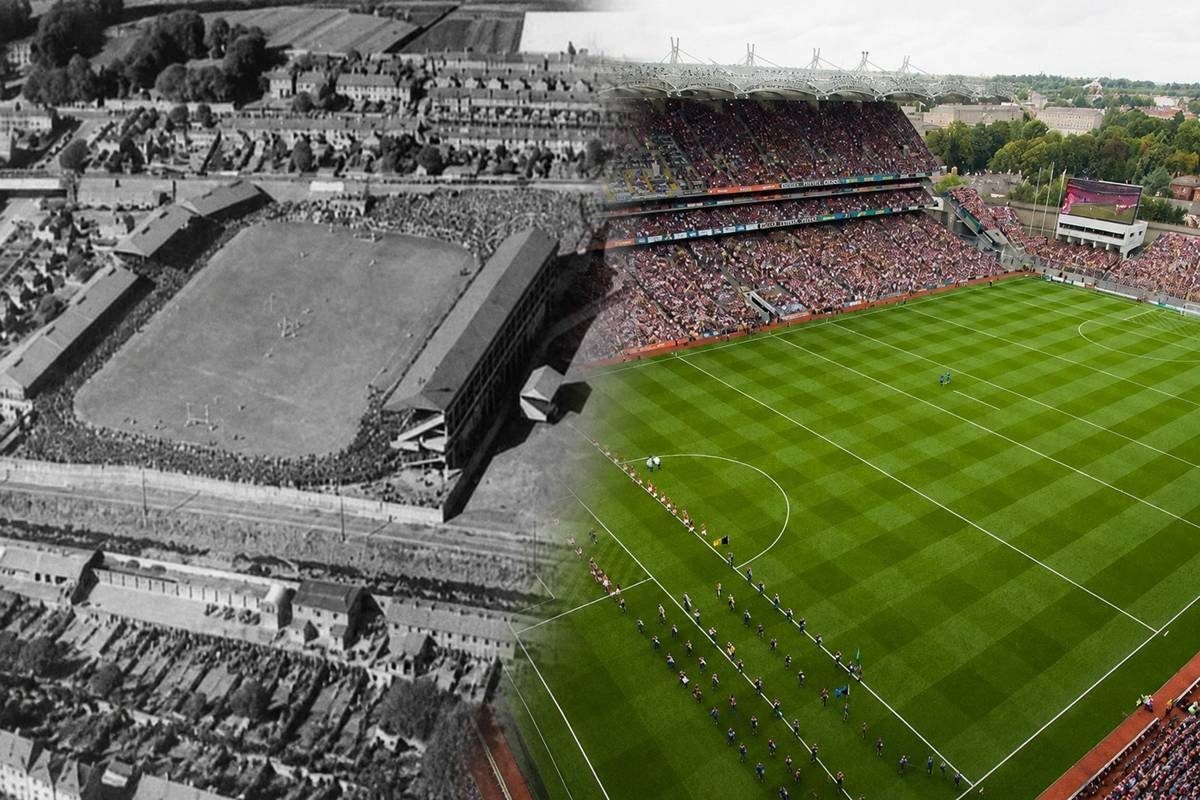
Croke Park is the home and spiritual centre of the Gaelic Athletic Association (GAA), an organisation deeply connected to Irish sport, culture and history. That makes the arrival of two major English football clubs at the stadium much more than an ordinary football event.
Why is Croke Park so significant?
The stadium holds a unique place in Irish history, particularly because of the events that took place there on November 21, 1920. During a Gaelic football match, British forces opened fire on spectators, killing 14 civilians.
The event, known as Bloody Sunday, became one of the most infamous moments of the Irish War of Independence and left a lasting mark on the history of Croke Park.
Football was once restricted at Croke Park
For decades, the GAA maintained strict restrictions on so-called “foreign games”, including association football and rugby. As a result, hosting football matches at Croke Park was once considered unthinkable.
That changed in the 2000s when the stadium was temporarily opened to football and rugby while the Aviva Stadium was being rebuilt. The Republic of Ireland national football team played its home matches at Croke Park during that period before eventually returning to the newly completed Aviva Stadium.
Manchester United and Leeds create another historic moment
Now, Manchester United and Leeds United will step onto the same pitch. The two English clubs have a long-standing rivalry, making the fixture particularly interesting even though it is being played during pre-season.
For Croke Park, the match represents another remarkable chapter in the stadium’s long and complex history. A venue primarily associated with Gaelic football and hurling will once again host a major association football event.
That is why this fixture is unlikely to be remembered solely for the result. The meeting between Manchester United and Leeds brings modern English football together with one of Ireland’s most important sporting and historical landmarks.